Research Note

Why Earthquake Magnitudes Change: Reading Preliminary Estimates

Preliminary earthquake estimates can change as evidence arrives. Compare magnitude types, reporting agencies and update times before interpreting numerical differences.
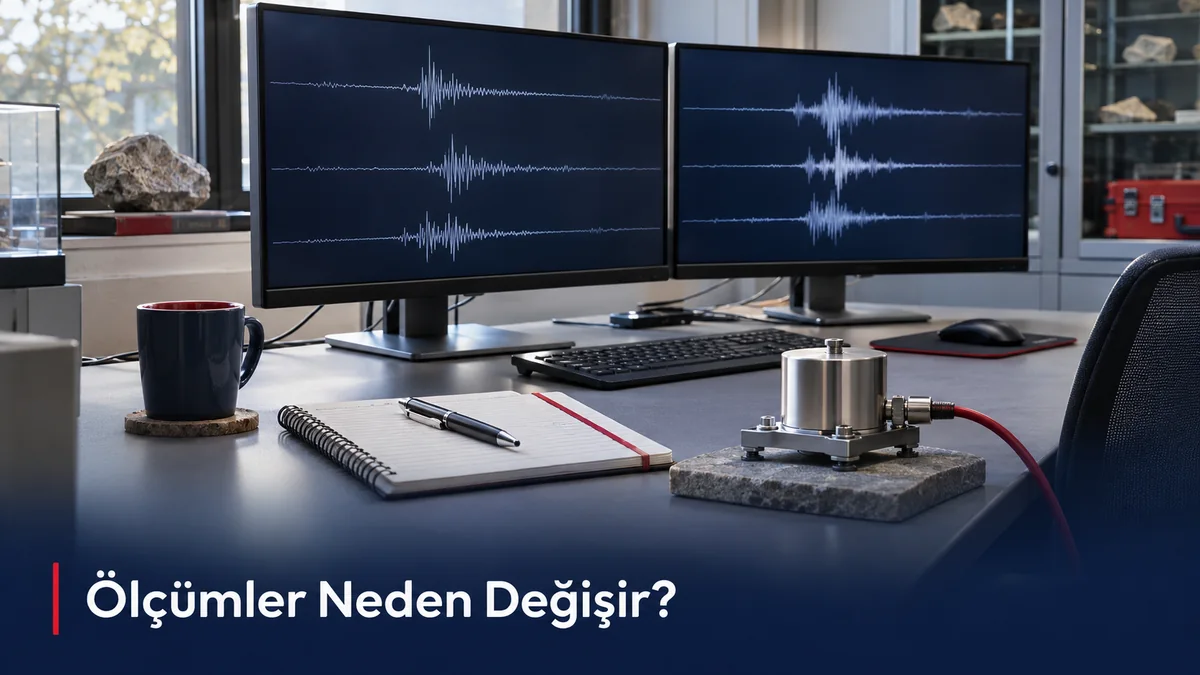
Representative illustration of a seismology workspace where earthquake measurements are examined

The first published magnitude is an initial assessment based on the data available at that point. EMSC explains that some methods produce quick approximate results, while others require larger datasets and longer analysis. Additional records can lead to a higher or lower estimate. A changed number alone does not mean another earthquake occurred: the same event may have been reassessed. Distinguishing the first estimate from later revisions helps explain what actually changed.

Magnitude type matters when comparing agencies. USGS describes station selection and the calculation method as parts of its assessment process. Local magnitude and moment magnitude use different approaches. Comparing records from AFAD, USGS or EMSC therefore requires more than placing two decimal numbers side by side. The reporting agency and magnitude type belong with the number.

A useful reading order is date and origin time, location, depth, magnitude type, source and any revision information. Check the agency’s latest record rather than treating an old screenshot as the final result. This note synthesizes published explanations; it is not a new scientific analysis of an individual earthquake.

Cep Deprem
STAY CONNECTED TO YOUR WORLD

Every moment.
Always with you.

Earthquake information, your family, and preparedness.
All in Cep Deprem.

  • Stay informed about the world
  • Stay close to your loved ones
  • Take your preparations with you

Make it part of your phone.

Coming soon

Cep Deprem
AN EXPERIENCE TAILORED TO YOU

You’re in control.

Personalize your experience in this browser.

Essential features

Keeping menus, safety, and your preferences secure.

Always on

Your choices are stored in this browser. Cookie and storage information

Cep Deprem
BEHIND THE INFORMATION

Open sources.
A transparent experience.

Data, images, and tools used in this design.

Earthquake and app data

Hosting may technically process your IP address, browser details and access time to deliver pages. This website has no account, payment form or family-location collection field. When configured, the earthquake catalogue displays public records from the existing VPS system; unavailable data is identified. Family and chat content in product previews is illustrative.

Globe and map textures

The 3D globe and atmosphere are made with open-source tools.

Visuals and interface

The intro scenes were created with AI for this project. The app gallery uses real test screens; interactive areas use sample content.

Tailwind ↗OutfitPhosphor Icons

Fonts, icons, globe textures and code files are served with this website. Earthquake data comes from the public API. Private server access logs contain IP addresses, browser details, requested paths, times and response status. Monthly publication statistics count eligible requests from these logs; the separate statistics store keeps daily keyed duplicate-check tokens instead of raw IP or browser strings. Counts are not verified people. Google Tag Manager loads only after analytics consent. Store and email links are subject to the external service’s terms.

CEP DEPREM · 17 LANGUAGES

What language should we explore in?